
Safety & Support
NCNU’s campus is safe and welcoming, but it is important to know what to do if something goes wrong. This page explains how to get help in an emergency, what to do if you lose your passport, and who to contact if you feel unwell during the program.
Emergencies in Taiwan
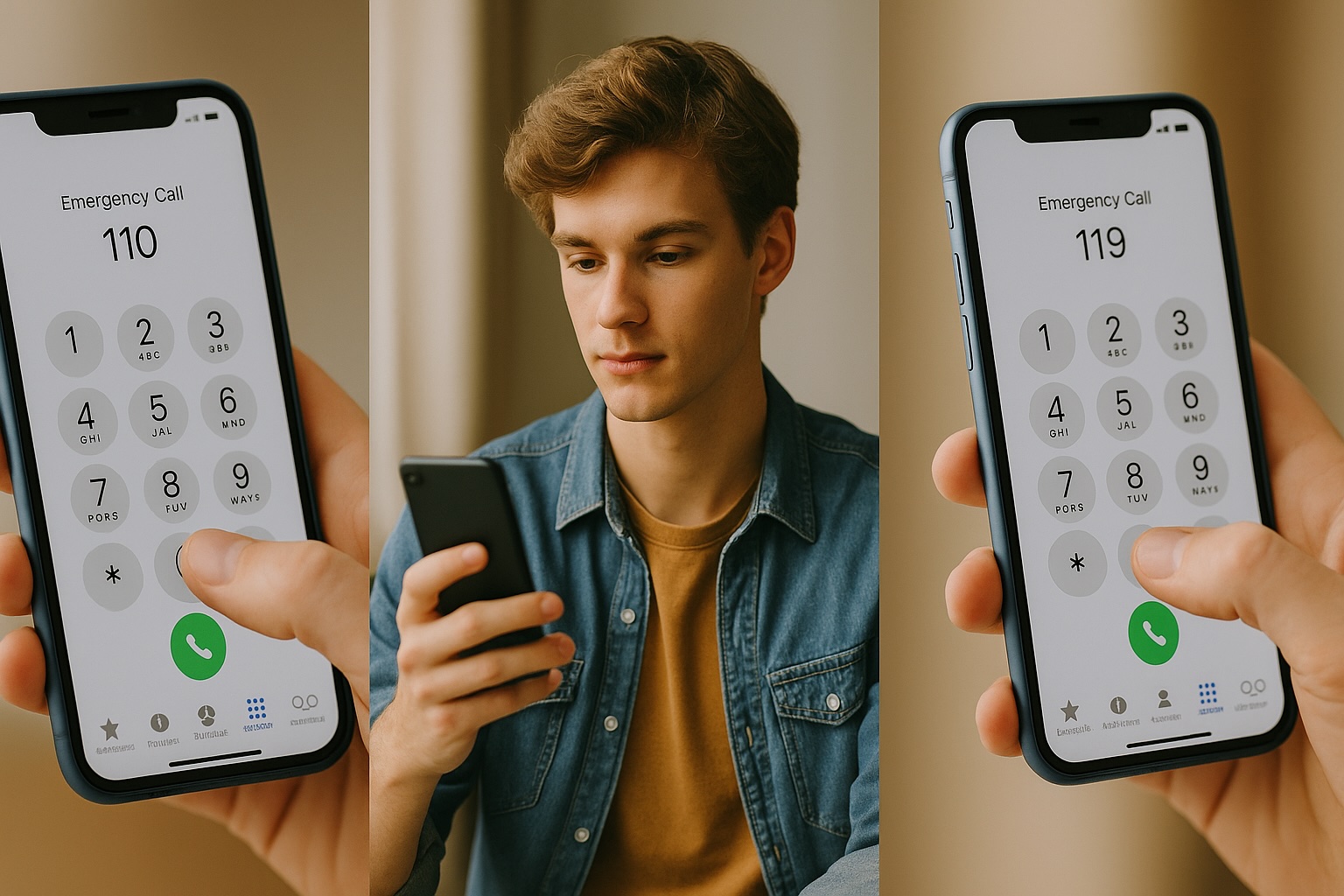
Who to Call
In any serious or life-threatening situation in Taiwan, you can dial the following nationwide emergency numbers:
- 110 — Police
- 119 — Fire & Ambulance
After calling emergency services (if needed), contact your Program Coordinator as soon as it is safe to do so. They can help with translation, communication, and follow-up.
If You Lose Your Passport

Step-by-Step
If your passport is lost or stolen during the program, please follow these steps:
-
Inform your Program Coordinator immediately.
They will help you with the process and, if necessary, accompany you to report the loss. -
Report the loss to the police in Puli.
Ask for an official Lost Property Report (遺失物報案證明). You will need this for your embassy or representative office. -
Contact your embassy or representative office in Taiwan.
They will explain how to apply for a replacement passport or emergency travel document and what documents you must provide. -
If required, apply for an Exit Permit.
If you receive only a temporary travel document, the National Immigration Agency may need to issue an Exit Permit before you can leave Taiwan.
If You Feel Unwell

Who to Contact
During the summer program, the NCNU campus clinic normally operates on a reduced schedule or may be closed. For this reason, all health concerns should go through your program staff.
If you feel unwell while staying in the dorms:
-
Contact your Program Coordinator immediately.
They will help assess the situation and decide on next steps, including whether you need to visit a clinic or hospital. -
Inform Dormitory Staff.
Let the dorm staff know if you are sick, especially if you need to rest in your room or if your roommate may be affected. - In an emergency, call 119 for an ambulance first, then notify program staff.
Everyday Safety Tips
Puli and the NCNU campus are calm and student-friendly, but normal travel habits still apply. These simple steps can help you avoid problems during your stay:
- Keep your phone charged and carry a small power bank.
- Save key contacts (Program Coordinator, dorm, family) in your messaging apps.
- Lock your dorm room and windows when you go out.
- Avoid carrying large amounts of cash; use a wallet or money belt.
- Use crosswalks and follow traffic signals, especially at busy intersections.
- Stay with classmates when exploring at night; avoid poorly lit areas.
- Respect campus rules and quiet hours, especially in the dorms.
- Follow local instructions in case of heavy rain, earthquakes, or typhoon-related warnings.
Money & Important Documents
Keeping your money and documents organized will reduce stress if something goes missing. Use these basic guidelines during your stay:
- Separate storage: Do not keep all your cash and cards in one place. Keep a small amount in your wallet and store extra cash in a safe spot in your room.
- Passport safety: Unless you are registering a SIM card or checking into accommodation, keep your passport locked in your room and carry a copy instead.
- Back up documents: Store digital copies of your passport, visa (if any), travel insurance, and flight details in a secure cloud folder.
- Bank cards: Let your bank know you are traveling to Taiwan before you leave, and keep your bank’s emergency phone number separate from your wallet.
Key Contacts
You will receive a printed or digital contact card at orientation with names, mobile numbers, and QR codes for your program staff. In general, you can use the following:
- Program Coordinator: First contact for any problem (health, safety, or practical issues).
- Dormitory Office / Staff: Issues inside the dorms (keys, noise, facilities, late-night problems).
- NCNU Language Teaching Center (Language Teaching & Research Center): Overall program administration and support.
For general questions before or after the program:
Email: intl@ncnu.edu.tw
Phone: +886 49 291 0960 #2658
Address: No. 1, University Rd., Puli Township, Nantou County 545301, Taiwan (R.O.C.)